
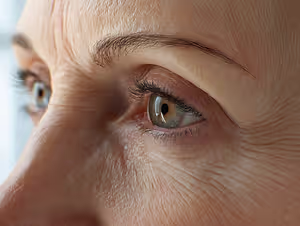
How can your eyes water and still feel dry? The answer often comes down to tear quality. Your eyes may produce plenty of tears, but those tears still need the right balance to stay on the eye and protect its surface.
During your eye exam at Oakley Square Eye Associates, we can examine how well your tears stay in place, how your eyelids affect the tear film, and which factors may be contributing to recurring symptoms.
What Makes a Healthy Tear Film?
Every blink spreads a thin layer of tears across the front of your eyes. This tear film keeps the surface smooth, supports clear vision, and protects against irritation.
Tears contain several parts that work together. The watery portion adds moisture, while oils from glands in the eyelids help slow evaporation.
What Can Disrupt Tear Quality?
Chronic dry eye causes can vary, and more than one factor may be involved.
Possible contributors include:
-
Reduced tear production
-
Poor oil flow from the eyelid glands
-
Eyelid inflammation
-
Certain medications
-
Hormonal changes
-
Contact lens wear
-
Extended screen use
-
Dry or windy environments
-
Certain health conditions
Dry eye symptoms can also look different from person to person. Some people notice burning or grittiness. Others have fluctuating vision, light sensitivity, redness, or watery eyes.
Watery eyes are especially easy to misread. Irritation can trigger extra tears, but those tears may still evaporate too quickly or lack the balance needed for lasting comfort.
How Dry Eye Clinics Check Tear Quality
Testing may include a closer look at tear production and how long the tear film remains stable after a blink.
Tear Break-Up Time
Tear Break-Up Time, or TBUT, measures how quickly the tear film separates after you blink.
A special dye helps your eye doctor closely monitor the tear film. Faster break-up can point toward problems with tear stability or oil production.
Tear Production Testing
Your eye doctor may also measure how much moisture your eyes produce.
A Schirmer test uses a small strip of paper near the lower eyelid to check tear production. The results can help distinguish low tear volume from other types of dry eye.
Symptoms Add Important Context
Testing tells part of the story. Your eye doctor may also ask when symptoms appear, whether they change during the day, which medications you take, and whether you wear contact lenses.
That information helps connect your exam findings with your day-to-day experience.
Which Dry Eye Treatments May Help?
Dry eye treatment options depend on what your exam shows.
Some patients need help adding moisture. Others may need treatment focused on inflammation, tear retention, or eyelid health.
-
Artificial tears can provide lubrication for mild or occasional symptoms. Your eye doctor can recommend a product based on how often you need relief and what type of dry eye you have.
-
Prescription medications may be considered when inflammation or reduced tear production plays a larger role.
-
Eyelid care helps when inflammation or poor oil flow affects tear quality. Supporting healthier eyelid glands can help improve the oily layer that keeps tears from evaporating too quickly.
-
Punctal plugs can help natural tears stay on the eye longer by slowing drainage. They may be considered for patients who would benefit from holding onto more of their own tears.
Find Dry Eye Care in Cincinnati, OH
Recurring dry eye symptoms deserve more than guesswork. A closer look at your tears can help show whether the main concern is tear production, evaporation, eyelid health, or a combination of factors.
Dry eye care at Oakley Square Eye Associates includes evaluation and treatment based on each patient’s findings.
If burning, watering, grittiness, or blurry vision keeps returning, schedule an eye exam today.
Frequently Asked Questions
Can Dry Eye Affect Night Driving?
It can. An unstable tear film may cause fluctuating or blurry vision, which can be more noticeable at night while driving.
Can Makeup Make Dry Eye Symptoms Worse?
Some eye makeup products may irritate sensitive eyes or affect the eyelid margin. If symptoms seem worse after using certain products, mention that during your eye exam.
Do Contact Lens Wearers Have a Higher Dry Eye Risk?
Contact lenses can make dryness more noticeable for some people. If comfort has changed, your eye doctor can check your tear film and lens fit.