
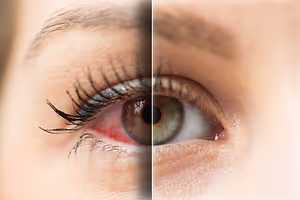
Dry eyes can show up earlier in life than many people expect. Long days on laptops, hours spent scrolling on phones, contact lens wear, indoor air, and busy routines can all affect how comfortable your eyes feel.
For young adults, dryness may feel like burning, grittiness, tired eyes, fluctuating vision, or even excess watering. When those symptoms keep returning, finding dry eye relief for young adults may involve looking beyond temporary comfort and figuring out what is affecting the tear film.
At Oakley Square Eye Associates, dry eye care is personalized to the symptoms and factors affecting each patient. Understanding how your routine affects your eyes can be a helpful first step toward better day-to-day comfort.
Why Do Young Adults Get Dry Eyes?
Dry eye can develop when your eyes do not produce enough tears or when the tears evaporate too quickly to keep the surface of your eyes comfortably lubricated.
For many younger adults, several everyday factors may overlap. A screen-heavy workday, contact lens wear, dry indoor air, and hours spent on a phone after work can all influence how your eyes feel.
Long Hours on Screens
Work, school, gaming, streaming, and social media can add up to many hours of screen time each day. When you concentrate on a screen, you may blink less frequently or less completely, which can allow tears to evaporate more quickly.
Screen-related discomfort can also overlap with digital eye strain. Symptoms such as tired eyes, irritation, blurry vision, or headaches may have more than one contributing factor, so recurring problems are worth discussing during an eye exam.
Small changes may make screen-heavy days easier on your eyes. Take regular visual breaks, remember to blink fully, reduce distracting glare, and avoid placing a fan or vent where air blows directly toward your face.
Contact Lens Wear
Contacts can be convenient for an active routine, but comfortable lens wear depends partly on the health of the eye's surface and tear film.
If you regularly notice contact lens discomfort, dryness may be one factor worth investigating. A contact lens exam can include an assessment of the tear film along with measurements used to evaluate lens fit.
Dryness does not automatically mean you have to stop wearing contacts. Your eye doctor can consider your eye health, lens fit, lens type, and wearing habits to determine whether another approach could improve comfort.
Your Environment & Daily Routine
Your surroundings can affect your eyes too. Heated or air-conditioned spaces, fans, dry indoor air, wind, and long periods of close-up concentration may all contribute to irritation.
Daily factors can stack up. Someone who spends eight hours on a laptop, wears contacts into the evening, and then spends several more hours on a phone may experience several comfort challenges in the same day.
That is one reason dry eyes in young adults are best approached by considering the entire routine rather than assuming there is one obvious trigger.
How to Relieve Dry Eyes From Screens
If your day involves a laptop for work or school and a phone for everything else, your eyes may not get many breaks.
Try looking away from close-up work regularly and focusing on something farther away. Making a conscious effort to blink fully can also help refresh the tear film. Positioning your screen comfortably, reducing glare, and avoiding direct airflow may make long sessions more comfortable.
If you wear contacts, follow the wearing and replacement schedule recommended by your eye doctor. Avoid stretching lens wear beyond the recommended time because persistent irritation can be a sign that your eyes or lenses need attention.
Lubricating eye drops may help some people, but not every drop is right for every situation, particularly for contact lens wearers. Your eye doctor can recommend options that suit your symptoms and eye health.
For people whose discomfort is closely tied to digital routines, eye care services at Oakley Square Eye Associates include digital eye strain assessments and personalized relief strategies.
When At-Home Changes Aren't Enough
Occasional dryness after a particularly long day may improve once you step away from screens or change your environment. Symptoms that repeatedly return are worth discussing with an eye doctor.
Consider scheduling an evaluation if you regularly experience:
- Burning or stinging
- A gritty or sandy feeling
- Watery eyes
- Fluctuating or blurry vision
- Eye fatigue
- Contact lens discomfort
- Dryness that interferes with work, school, or daily activities
Watery eyes can seem like the opposite of dry eye, but irritation can trigger extra tear production. Those tears may not provide the stable lubrication needed for lasting comfort.
Recurring symptoms can have different causes, which is why the right dry eye treatment can vary from person to person.
How a Dry Eye Evaluation Can Help
Finding appropriate relief starts with understanding what may be contributing to your symptoms.
Your eye doctor can consider your symptoms, eye health, screen habits, contact lens use, environment, and other parts of your daily routine. A comprehensive eye exam also gives your doctor an opportunity to evaluate your overall eye health and discuss changes you have noticed.
If contacts are part of the problem, the tear film and eye surface can be evaluated as part of specialized contact lens care. The goal is to understand why your eyes are uncomfortable instead of simply masking recurring irritation.
Dry Eye Treatment Based on Your Needs
Treatment recommendations depend on what your eye doctor finds.
Some young adults may benefit from changes to screen habits, environmental adjustments, or contact lens care. Others may need lubricating drops, prescription treatment, or other strategies based on the cause and severity of their symptoms.
Oakley Square Eye Associates evaluates dry eye symptoms and develops personalized treatment plans designed around each patient's needs. That individualized approach can be particularly useful when screens, contacts, environment, and other factors may be contributing at the same time.
Find Dry Eye Relief in Cincinnati
Being younger does not mean irritated eyes have to become a normal part of your routine.
If habit changes are not providing enough relief, a dry eye doctor in Cincinnati can help identify what may be affecting your eye comfort and recommend care based on your needs.
Oakley Square Eye Associates provides personalized eye care for patients in Cincinnati, Ohio. Whether your symptoms appear after long screen sessions, while wearing contacts, or throughout the day, an evaluation can help you better understand what your eyes need.
Schedule an eye exam with Oakley Square Eye Associatesto find out what may be contributing to your symptoms and explore options for more comfortable eyes.
Dry Eye FAQs
Can Too Much Screen Time Cause Dry Eyes?
- Long periods of concentrated screen use can contribute to dryness and irritation because people may blink less frequently or less completely while focusing on digital devices. Taking regular breaks and blinking fully may help support eye comfort.
Can Contact Lenses Make Dry Eyes Worse?
- Contact lenses can become uncomfortable when the tear film is not keeping the lenses and eye surface adequately lubricated. If your contacts regularly feel dry or irritating, your eye doctor can assess your tear film, lens fit, and wearing routine.
Why Are My Eyes Watery If They Feel Dry?
- Irritation on the eye's surface can trigger reflex tearing. Those extra tears may not have the balance needed to provide stable lubrication, so watery eyes can occur alongside dryness.
When Should I See an Eye Doctor for Dry Eyes?
- Consider an eye exam when dryness keeps returning, affects your vision or contact lens comfort, or interferes with work, school, or everyday activities. An evaluation can help identify contributing factors and guide appropriate care.